About Automatic Cotton Baling Press Machine
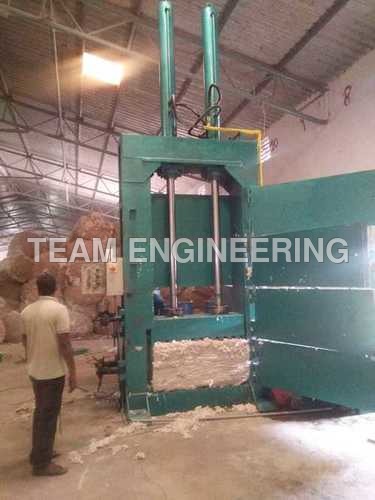
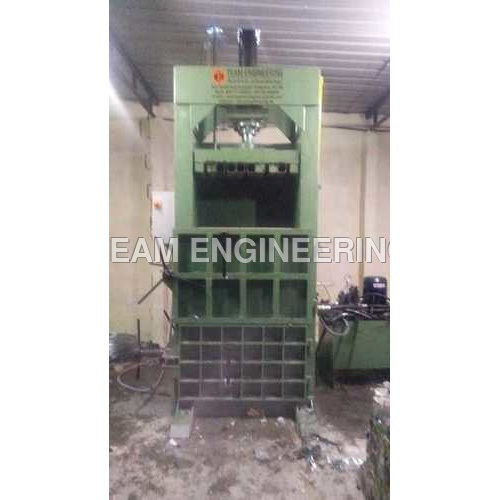
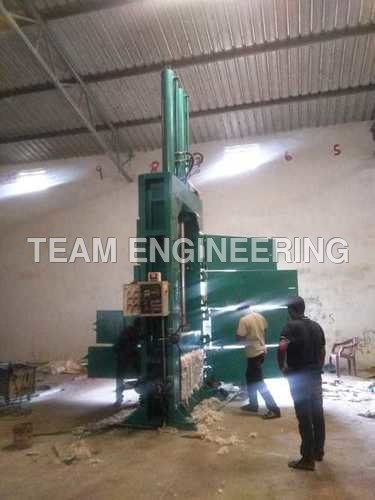
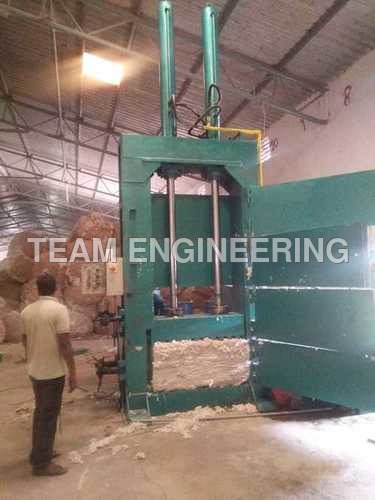
Automatic Cotton Baling Press Machine is used to bail varied amounts of trash or raw cotton. The textile industries may benefit from the great performance of this machine since it manages cotton fiber with ease. We provide baling presses that are simple to install and keep up, which makes them fully simple to use and lower in cost. Automatic Cotton Baling Press Machine excellent working capacity makes compressing cotton simpler and requires less manpower. The components of the press are interchangeable and standardized to meet worldwide standards.
Reliable and High-Performance Cotton PressingThis baling press machine is engineered for demanding cotton processing environments, featuring a nominal force of 120 tons and a maximum opening distance of 1800 mm. Its heavy-duty construction ensures durability and longevity, while the seamless integration of high-flow hydraulic and proportional valves delivers consistent bale formation and optimal cycle times. Suitable for both small and large-scale operations, it elevates bale packing standards.
Advanced Automation and User-Friendly ControlEquipped with a fully automated system and advanced Siemens PLC integration, this machine simplifies bale production. The intuitive touch screen panel enables precise operation, while safety interlocks and emergency stops safeguard users. This synergy of technology and safety enhances efficiency and reduces manual intervention, making cotton pressing reliable and straightforward.
Optimized for Productivity and Energy EfficiencyWith a pressing capacity of up to 35 bales per hour and a 15 kW heavy-duty motor, this machine is designed to maximize output without sacrificing energy efficiency. The large 450-liter hydraulic oil reservoir, combined with robust pressure and solenoid valve systems, assures smooth, consistent operation. This allows users to meet large-volume demands efficiently, reducing downtime and operational costs.
FAQs of Automatic Cotton Baling Press Machine:
Q: How does the Automatic Cotton Baling Press Machine operate?
A: The machine operates fully automatically, managed by an integrated Siemens PLC system and a user-friendly touch screen interface. Cotton is loaded onto the working table, pressed to a specified bale size and weight, and discharged for packing, completing a cycle in 55 to 60 seconds without manual intervention.
Q: What types of cotton can be processed with this machine?
A: This baling press accommodates various cotton types, with bale weights reaching up to 220 kg. The machines adjustable force settings and robust construction make it suitable for cotton of different grades and moisture levels.
Q: When should maintenance be performed on the press machine?
A: Routine maintenance, such as hydraulic oil checks, inspection of safety interlocks, and cleaning of the touch screen panel, should be performed as per the manufacturers recommended schedule to ensure reliable performance and longevity.
Q: Where is this machine typically installed and used?
A: The Automatic Cotton Baling Press Machine is commonly installed at cotton processing plants, textile factories, and cotton trading facilities across India to streamline efficient bale packing operations.
Q: What is the process of creating a cotton bale with this machine?
A: Cotton is loaded onto the 1200 mm x 800 mm working table, and the machine, powered by a 120-ton force, compresses the cotton into bales of 1100 x 700 x 550 mm. The hydraulic system, with its advanced proportional and solenoid valves, ensures precise pressing and consistent bale formation.
Q: How does the machine ensure user safety during operation?
A: Safety is ensured through multiple interlocks, an emergency stop feature, and comprehensive guarding of moving parts. The control panel also displays real-time alerts and operational status, helping operators manage the process safely.
Q: What benefits does this automatic baling press offer over manual alternatives?
A: Compared to manual presses, this machine drastically increases output, reduces labor requirements, and delivers uniform bale quality. The automation minimizes downtime and human error, while robust construction assures long service life and low maintenance costs.
 Send Inquiry



 Send Inquiry

 Send Inquiry